

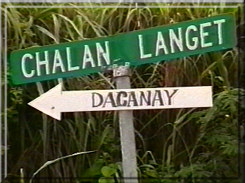
Chalan Langet ≈ Calan LaŋiC ≈ Lanan Ranget I've recently been reading a book called I Cuwa Ku Lalan (問路). It's a documentation on the sikawasay or priestess (祭師) of the Pangcah (Amis) tribe Lidaw village (花蓮東昌村里漏部落). Lalan means road in Pangcah. In the book, the priestess also mentioned a word called calay. Calay is the path to the spirits, the songs, dances, tools, ceremonies that the sikawasay use to to connect with the kawas. Sikawasay is formed from si-kawas-ay. Si is the Instrument/Benefactive Focus, a signature part of Austronesian grammar, kawas is spirits, ay is similar to "an" in American, meaning those who possess spirits. Every time I drive by a road sign that begins with Chalan, I am reminded of Lalan, Jalan, Calan, Calay or those words that obviously derived from the same cultural backgrounds. And yet I feel as much an outsider to that culture in Guam as I do in Taiwan. I have been to Guam many times now to visit family friends. And I have gotten very tired of staying in the tourist shopping areas. I wish there's a way to learn more about the local people and their perspectives on tradition, because I think on many levels Austronesians brethren in Taiwan and Guam faces many of the same challenges. For centuries dominant cultures has been chipping away at the culture and language. Though, admittedly, the Americans are a lot more respectful to culture and linguistic heritage than the Chinese in Taiwan.

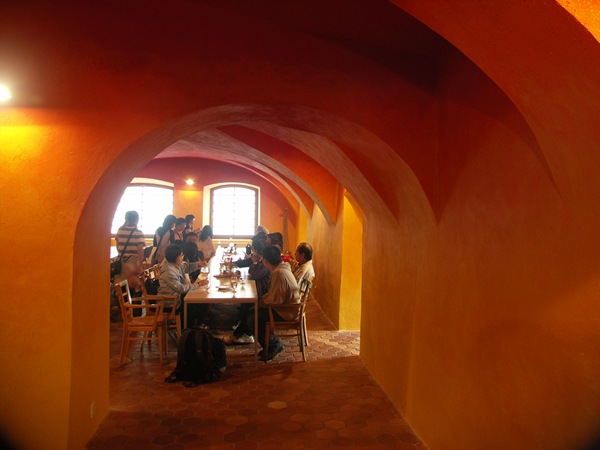 Telč 鎮外的一間餐廳
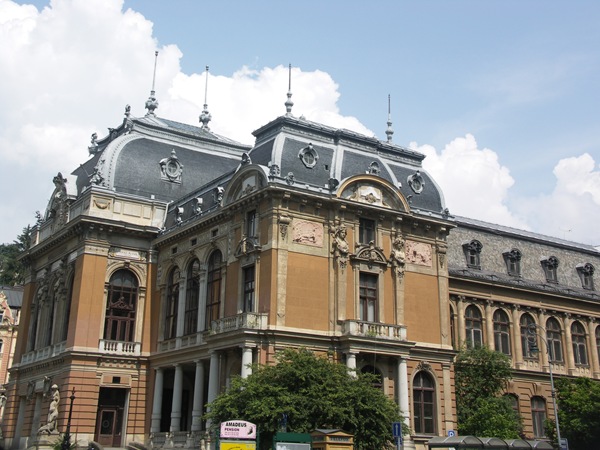
 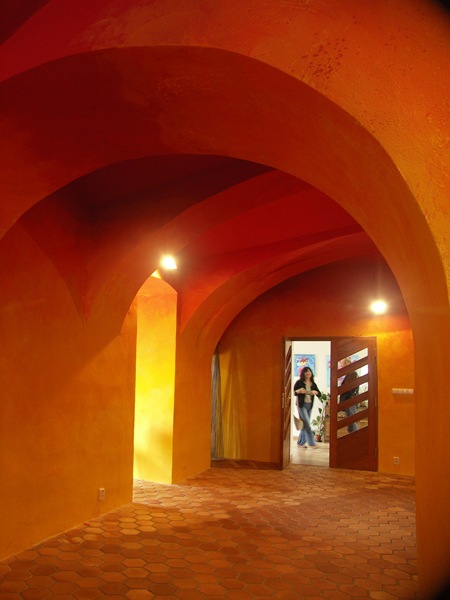 覺得這顏色很漂亮


 棒球 (5)